Voice technology

what is noiz ai voice cloning and how it works

what is noiz ai voice cloning? It is the process of creating a reusable synthetic voice model from recorded speech, then using that model to produce new spoken audio. This guide explains the concept without assuming that every voice tool offers the same controls or permissions.

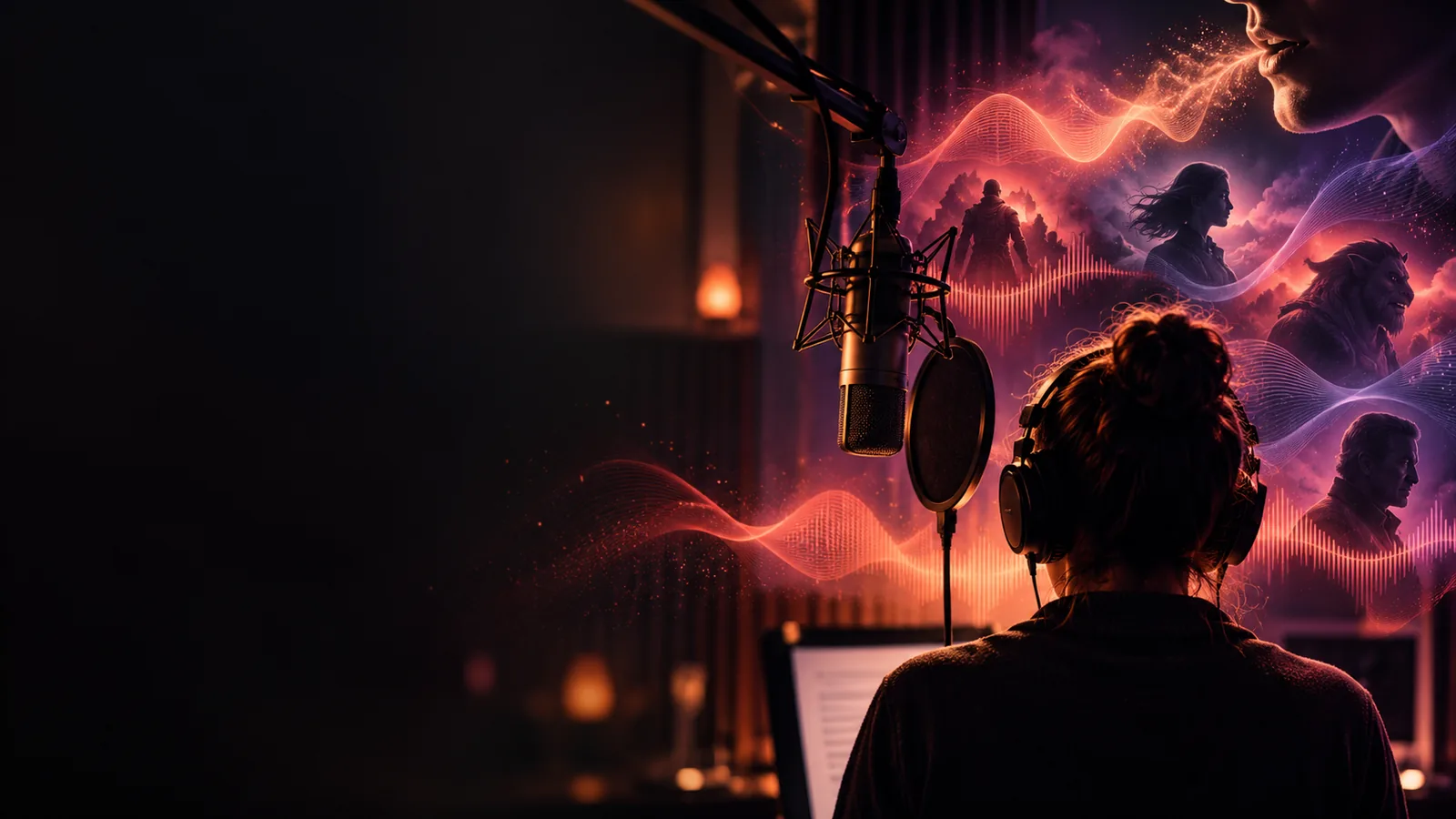
Abstract voice waveform representing synthetic speech

Related reading

Explore the noiz ai voice topic

These related pages explain the surrounding noiz ai concepts, from the basic definition to practical voice workflows.

Limits and edges

What voice cloning cannot promise

A voice clone is a model of vocal characteristics, not a complete replacement for a performer, recording studio, or consent process.

It cannot prove permission

A sample may be technically usable while still belonging to a real person whose voice should not be copied without clear authorization.

Workaround

Get documented consent, define the intended use, and retain a record of the permission.

It cannot preserve every emotion

Cloned speech can reflect patterns from its training material, but subtle intent, timing, breath, and spontaneous feeling may vary from an original performance.

Workaround

Use a human recording for emotionally sensitive lines and review every generated passage.

It cannot fix poor source audio

Noise, clipping, room echo, inconsistent distance, or too little speech can limit the quality of a voice model.

Workaround

Start with clean, intelligible recordings and remove avoidable background sound before processing.

It cannot guarantee identity accuracy

A synthetic output may sound similar without being a perfect match, especially across languages, accents, long scripts, or unusual delivery styles.

Workaround

Test representative sentences and label synthetic audio clearly where disclosure is appropriate.

How it works

The three stages behind a cloned voice

Most voice cloning systems can be understood as a simple pipeline: collect speech, model vocal patterns, and synthesize new lines.

  1. 1

    Prepare a permitted recording

    Choose speech that is clear, varied, and authorized for the intended project. The recording gives the system examples of pronunciation, rhythm, tone, and vocal texture.

  2. 2

    Analyze the vocal signature

    The model identifies recurring characteristics in the sample and represents them as a reusable voice profile. This profile is not the same thing as the original audio file.

  3. 3

    Generate and review speech

    A script or prompt is rendered through the profile, then checked for pronunciation, pacing, emotion, and unwanted artifacts before it is published.

Where it fits

Who may use noiz ai voice cloning

The useful question is not only whether a cloned voice can speak, but whether it is appropriate for the audience, consent arrangement, and review standard of the project.

Course creator

A teacher needs consistent narration for lesson updates after the original recording session has ended.

A permitted voice profile can help keep short revisions aligned with existing material; review remains essential for names and emphasis.

noiz ai for voice

Podcast producer

A producer wants to prototype intros, transitions, or corrections before booking another studio session.

Synthetic drafts can speed planning, while final publication can remain with a human recording when authenticity matters.

noiz ai review

Localization team

A team adapts approved narration into additional scripts or language versions with a consistent speaker identity.

A voice workflow may reduce repetitive recording work, but pronunciation and cultural review should happen before release.

noiz ai text to speech

Accessibility producer

A product team prepares spoken versions of written material for listeners who benefit from audio access.

A consistent synthetic narrator may support scalable drafts, provided the result is understandable and the use is disclosed when needed.

what is noiz ai voice

Capability comparison

Voice cloning versus text-to-speech

Both workflows generate speech, but they begin with different inputs and solve different problems. The distinction helps set realistic expectations for noiz ai.

Voice cloning
Standard text-to-speech

Primary input

Voice cloning

A permitted recording or voice sample

Standard text-to-speech

Text plus a selected built-in voice

Main purpose

Voice cloning

Recreate recognizable vocal characteristics

Standard text-to-speech

Turn written language into spoken audio

Identity

Voice cloning

Linked to the sampled speaker or character

Standard text-to-speech

Usually drawn from a preset voice identity

Best fit

Voice cloning

Continuity, personalization, and approved voice likeness

Standard text-to-speech

General narration, testing, and scalable spoken content

Main risk

Voice cloning

Consent, impersonation, and identity misuse

Standard text-to-speech

Generic delivery or a mismatch with the intended audience

Review priority

Voice cloning

Similarity, authorization, emotion, and disclosure

Standard text-to-speech

Pronunciation, pacing, clarity, and tone

Next step

Put the concept into a responsible workflow

If you are evaluating noiz ai for a real project, begin with a permitted sample, a short representative script, and a human review pass. Treat the cloned voice as production material that needs editorial and ethical checks, not as an automatic substitute for consent or performance.

Try voice tools
  • Use only authorized voice material
  • Test names, accents, and emotional lines
  • Review and label synthetic speech appropriately

FAQ

Questions about voice cloning

These answers address the main definition and evaluation questions around noiz ai voice cloning.

It is a voice synthesis process that uses recorded speech to model vocal characteristics and create new spoken lines. The result is intended to resemble the source voice, but it should not be assumed to be a perfect or authorized replica.

A system analyzes an approved voice sample for traits such as pronunciation, rhythm, pitch, and timbre. It then uses that representation to render new text, which should be tested and reviewed before publication.

No. Text-to-speech converts written text into audio using a selected voice, while voice cloning attempts to reproduce characteristics from a particular speaker or recording. The two workflows can overlap, but their inputs, risks, and use cases differ.

Not reliably in every situation. It may help with drafts, approved updates, or consistent narration, but human performance can still be important for emotion, nuance, creative direction, and accountability.

Confirm that the speaker or rights holder has authorized the use, define where the output may appear, and test representative scripts. Also review pronunciation, emotional tone, disclosure expectations, and whether synthetic audio is appropriate for the audience.

Start creating
Start creating